

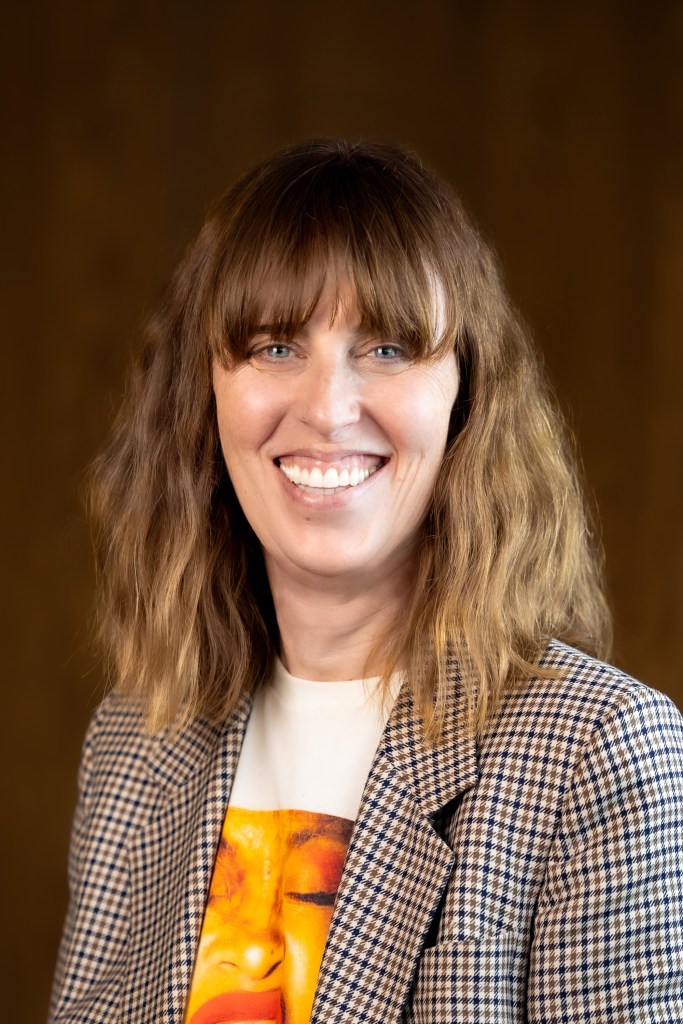
Dr. Catherine McCarthy
Clinical Psychologist
Dr Catherine McCarthy provides clinical psychology services through Medicare and WorkCover (trauma treatment for emergency service workers only). Catherine is an EMDRIA and EMDRAA Consultant and EMDR Training Facilitator for EMDR level 1, level 2 and children and adolescent training. She is currently completing her credentialing to provide psychodynamic and relational therapies for disordered eating via Medicare.
Catherine trained both in Australia and the UK, completing her doctorate at the University of East London, where she trained and worked in secondary and tertiary care NHS teams. Catherine has a particular interest in working with mental health difficulties related to adversity, oppression, developmental trauma and neglect, including complex trauma, voice hearing, paranoia, unusual beliefs and dissociation. She also regularly provides intensive EMDR for recent events, prolonged adverse experiences and ongoing traumatic stress, including to frontline workers, such as emergency services, humanitarian, health and social care workers, journalists, foreign and war correspondents.
Catherine is a member of the Trauma Recovery Network and is a Certified Clinical Trauma Professional Level 2: Complex Trauma. In 2025, Catherine started volunteering at Healing for Gaza, an emergency mental health crisis charity supporting Palestinian frontline workers, parents, orphans and amputees in Gaza and Cairo.
Alongside EMDR, Catherine also regularly uses imagery rescripting, nightmare rescripting, CBT, parts work (Internal Family Systems (IFS), schema, ego states), somatic, polyvagal, compassion focused, attachment, psychodynamic and relational approaches.
Catherine assesses and treats trauma, adversity and neglect through the whole context of a person’s life — political, cultural, economic, relational and neurobiological. She works collaboratively, building a strong therapeutic relationship to develop a shared formulation and treatment plan. Her practice is informed by the British Psychological Society’s depathologising Power Threat Meaning Framework, EMDR’s adaptive information processing (AIP) model, critical human rights principles, and decolonising, liberatory perspectives from Social and Emotional Wellbeing scholarship (Dudgeon et al. 2014; Gee et al. 2021), Fanon (1961), and, Sheehi (2026, 2022).
Catherine has been committed to understanding trauma, recovery and post traumatic growth since witnessing her veteran parent recover from PTSD in later life, alongside navigating her own mental health journey. Catherine is an Irish-Australian dual national who grew up in poverty and is a survivor of sexual violence who understands first hand the devastating impact of abuses of power on the individual, their families and communities. She is passionate about supporting her clients on their road to recovery.

